
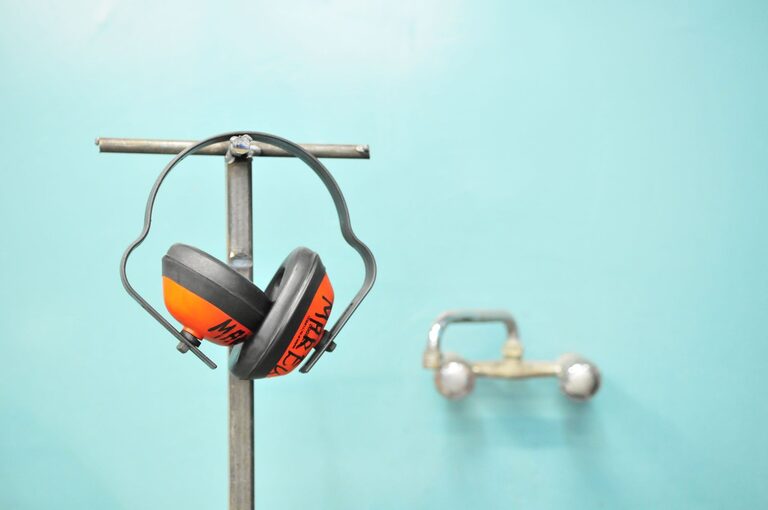
Living in a noisy environment can be stressful and disruptive. Whether it’s the sound of traffic outside, noisy neighbors, or echoes inside your home, reducing unwanted noise can improve your comfort and well-being. Fortunately, there are simple, practical ways to reduce noise at home without a major renovation. In this post, we’ll explore easy techniques and tips you can use to create a quieter, more peaceful space.
Why Reducing Noise at Home Matters
Noise pollution inside the home can affect sleep, concentration, and even your mood. Especially if you work from home or have children, a quieter space can boost productivity and relaxation. While you may not eliminate all noise, reducing the volume and frequency of disturbances can make a noticeable difference.
Simple Ways to Reduce Noise at Home
1. Use Soft Furnishings to Absorb Sound
Hard surfaces reflect sound, making rooms louder. Adding soft materials helps absorb noise and reduce echoes.
– Carpets and rugs: Place rugs on bare floors, especially hardwood or tile. Thick rugs with dense fibers work best.
– Curtains and drapes: Heavy fabric curtains over windows help block outside noise and soften indoor sound reflections.
– Upholstered furniture: Chairs and sofas with fabric cushions absorb sounds better than leather or vinyl.
2. Add Weatherstripping and Sealing
Noise often leaks through gaps around windows and doors. Weatherstripping is an inexpensive way to help seal these openings.
– Check for gaps around window frames and doors.
– Apply weatherstripping tape or foam strips to close gaps.
– Consider door sweeps for the bottom of doors to block noise from hallways or outside.
3. Rearrange Furniture Strategically
Furniture placement can influence how sound travels in a room.
– Move large pieces like bookshelves or sofas against walls that face noisy streets.
– Use tall bookshelves filled with books to act as sound barriers.
– Avoid placing seating near noisy appliances or electronic equipment.
4. Use White Noise or Sound Machines
Sometimes, completely blocking noise is tough. Using white noise can mask disruptive sounds and create a more consistent auditory environment.
– Small white noise machines or apps generate steady sounds like rain, ocean waves, or static.
– Fans or air purifiers can also provide gentle background noise.
– These are especially helpful in bedrooms to aid sleep.
5. Install Acoustic Panels or Wall Hangings
If noise is a persistent problem, consider adding acoustic panels to walls or ceilings. These panels are designed to absorb sound and reduce reverberation.
– There are decorative options available that blend with home decor.
– DIY options include hanging thick quilts or tapestries on walls.
6. Maintain Your Appliances and HVAC System
Noisy appliances can add to the overall sound level inside the home.
– Regularly clean and service HVAC systems to reduce noise.
– Place washing machines or dryers on vibration-absorbing mats.
– Repair or replace noisy fans, vacuum cleaners, or kitchen appliances when possible.
Additional Tips for Specific Noise Problems
Dealing with Outside Noise
– Plant trees or shrubs near windows and doors to help block sound.
– Consider double-pane or laminated glass windows for better sound insulation.
– Use outdoor barriers or fences to reduce noise from neighbors or traffic.
Reducing Noise Between Rooms
– Close doors fully to contain sounds.
– Use draft stoppers or door seals to block noise under doors.
– Use rugs or carpet runners in hallways to reduce footstep sounds.
Kids and Pets Noise Management
– Provide quiet play areas with soft flooring and sound-absorbing toys.
– Use rugs in kids’ rooms to dampen noise from running or jumping.
– Train pets to reduce excessive barking or noise.
Final Thoughts
Reducing noise at home doesn’t have to be complicated or costly. By combining soft furnishings, sealing gaps, strategic furniture placement, and other noise-reducing actions, you can significantly improve the quietness and comfort of your living space. Start with a few simple changes and enjoy the benefits of a calmer, more peaceful home.
Creating a noise-friendly environment promotes relaxation, better sleep, and a more enjoyable daily experience. With a little effort, your home can become your personal retreat from the world’s noise.